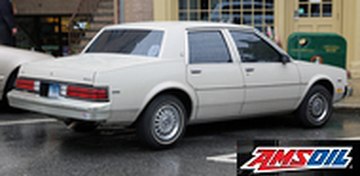
Maintaining Lubrication Standards for the 1981 Buick SKYLARK 2.5L
Proper engine care for a vehicle of this era requires a focus on consistent monitoring and adherence to specific fluid requirements. For the 1981 Buick SKYLARK equipped with the 2.5L engine, maintaining the integrity of the lubrication system is a fundamental aspect of long-term mechanical health. Because older engines can exhibit different behaviors regarding fluid retention and cleanliness compared to modern vehicles, owners should adopt a proactive approach to service.Monitoring Fluid Integrity and Potential Leaks
One of the most effective ways to monitor the health of the 2.5L engine is through regular visual inspections for any signs of fluid seepage. Over time, various gaskets and seals may experience changes in their ability to maintain a tight barrier. When performing routine checks, it is useful to look at the areas surrounding the engine block and the underside of the vehicle for any evidence of wetness or staining that could indicate a slow leak. If you notice fresh fluid accumulating on the ground after the vehicle has been parked, this warrants investigation. It is important to remember that a single symptom, such as a small puddle, can be associated with several different components. Rather than attempting to diagnose a specific seal or gasket immediately, an inspection of the entire engine area can help identify the source of the seepage. Additionally, checking the appearance of the oil on the dipstick can provide clues; if the lubricant appears excessively dark, gritty, or has a strong odor, it may indicate that the interval between changes should be reviewed or that contamination is present.Observing Changes in Engine Operation
Beyond visible leaks, how the engine behaves during operation can serve as an indicator of lubrication needs. While many mechanical issues have complex causes, certain observations should prompt closer attention to the maintenance schedule. For instance, if you notice a change in how the engine sounds during startup or while idling, it may be worth investigating the condition of the fluids and filters. Changes in lubricant consumption are also a significant factor for owners to monitor. If you find that you are needing to add oil more frequently than previously recorded, this is an important signal to check for leaks or to inspect the engine's overall condition. Similarly, any unusual exhaust characteristics should be noted; while smoke can be caused by many factors, it is always a valid reason to perform a thorough inspection of the vehicle's maintenance history and current fluid levels.Prioritizing Maintenance Through Record Keeping
For an owner of a 1981 Buick SKYLARK, establishing a clear baseline of maintenance is one of the most practical steps toward reliable ownership. If you have recently acquired the vehicle, your first priority should be to determine what service has been performed in the past. Reviewing any available repair receipts or service logs allows you to see if previous owners followed a consistent schedule. If no records are available, you can establish a new baseline by performing a comprehensive inspection of all vital fluids and components. This includes checking the condition of hoses, if present, and inspecting accessible belts, if equipped, for signs of cracking, glazing, or fraying. By documenting every oil change, filter replacement, and minor repair moving forward, you create a historical map of the vehicle's health. This documentation is invaluable when deciding whether a component needs preventive replacement or if it can continue to operate reliably based on its current condition.Managing Aging Components and Materials
As vehicles age, the materials used in their construction—such as rubber hoses and various seals—can undergo changes due to heat cycles and time. When maintaining the 2.5L engine, it is more effective to prioritize maintenance based on the actual condition of these parts rather than strictly following an arbitrary age-based schedule. For example, instead of replacing every hose or belt simply because the vehicle is over forty years old, inspect them for physical signs of deterioration. A hose that feels excessively soft or shows visible cracks should be addressed, whereas a well-preserved component may not require immediate intervention. This condition-based approach helps distinguish between necessary preventive maintenance and unnecessary parts replacement, ensuring that resources are directed toward the areas that actually require attention.Effective Strategies for Long-Term Engine Care
To ensure the longevity of the 1981 Buick SKYLARK, owners should focus on a strategy of "inspect and verify." This means not just checking fluid levels, but verifying the quality of those fluids. For instance, if you are performing an oil change, it is an ideal time to inspect the surrounding area for any signs of previous neglect or slow-developing leaks that might have been missed during a quick check. Regularly reviewing the vehicle's performance can also help in prioritizing tasks. If the engine is running smoothly and there are no visible leaks or changes in consumption, maintenance can remain focused on standard intervals. However, if you notice any new symptoms—such as a change in how the engine responds to load or an increase in operating temperature—these should be addressed before they potentially lead to more significant mechanical issues.Practical Guidance for Buying Engine Oil for your 1981 Buick SKYLARK 2.5L
When it is time to replenish the lubrication in your engine, the most important step is to ensure the product matches the specific requirements of your application. To select the correct lubricant, match the engine oil to the application-specific viscosity information already displayed on this webpage. Do not rely on general automotive knowledge or assumptions based on the vehicle's age to determine which grade to use. When you are ready to purchase, check the product labeling carefully to ensure it meets the necessary quality standards. Depending on your specific needs and the current condition of your engine, you may encounter various options, including:- Conventional formulations: Standard mineral-based oils.
- Synthetic blends: A combination of conventional and synthetic oils.
- Full synthetic oils: Highly refined oils engineered for stability.
- High-mileage formulations: Some high-mileage oil formulations contain additives intended for use in aging engines, including seal-conditioning additives.